Georgia Tech is turning its North Avenue Apartments into temporary hotel rooms for the World Cup this summer — and charging $237 per night for what amounts to a dorm room with strangers.
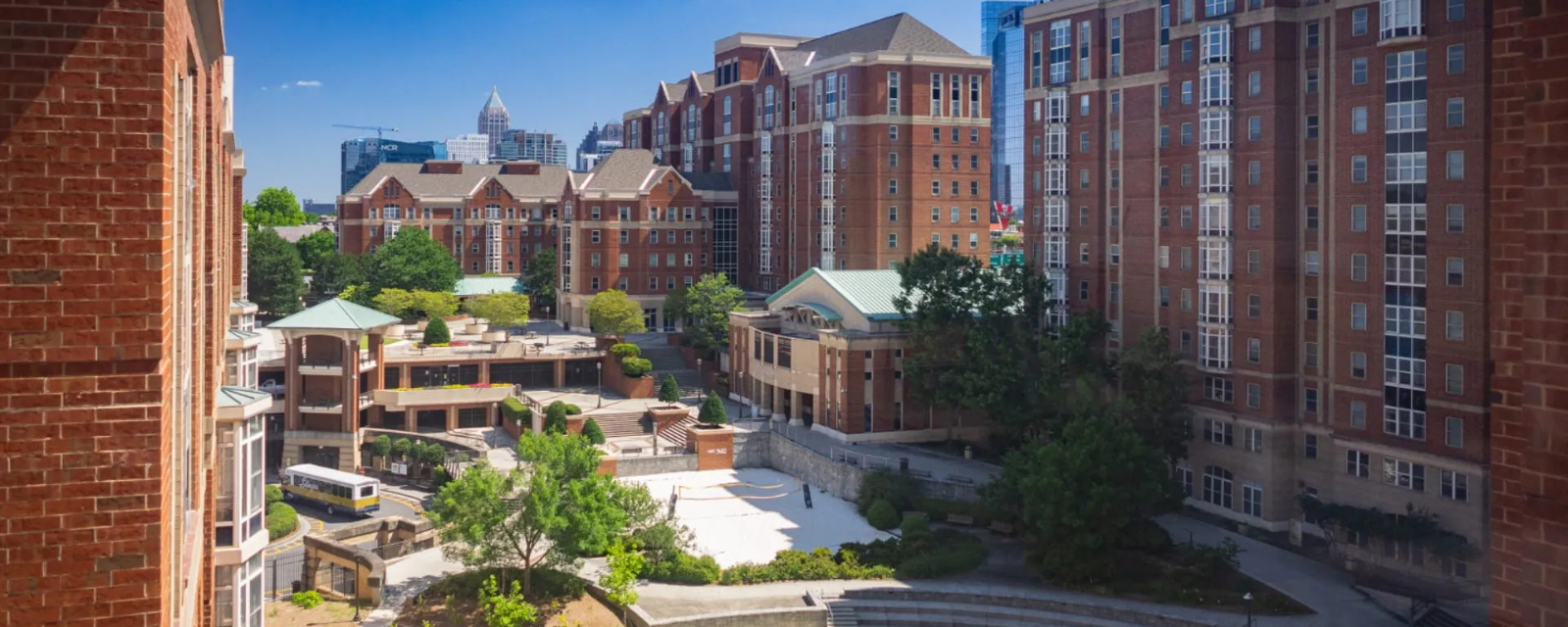
With students gone for the summer and an estimated 500,000 visitors expected to flood Atlanta for the 2026 FIFA World Cup matches, Georgia Tech saw an opportunity. The university is converting the North Avenue Apartments complex — originally built for the 1996 Olympics — into what they're calling "Soccer Stays." The full-circle moment isn't lost on anyone: these dorms have now served two major international sporting events exactly 30 years apart.
Here's what you're actually getting for that $237-per-night price tag: a private bedroom in a four- to six-bedroom apartment that you'll share with complete strangers. Each apartment has one shared living room, one kitchen, and one bathroom per two bedrooms. Linens and breakfast are included, plus access to a fitness center. Tech is marketing this as being just 1.3 miles from Mercedes-Benz Stadium, where the matches will be played, and close to Atlanta's designated Fan Zone.
Is $237 a Night Actually Worth It?
I know what you're thinking — $237 to share an apartment with random World Cup fans sounds steep for dorm living. But context matters here. Atlanta hotel prices are expected to surge well beyond normal rates during the tournament, and downtown accommodations near the stadium could easily hit $400-$500 per night or more. Suddenly, a guaranteed bed within walking distance of MARTA and less than two miles from the action starts to make more sense, especially for international visitors who want to avoid renting cars.
The North Avenue Apartments sit right on campus in Midtown, which means you're also close to the rapidly expanding downtown hotel scene and transit options. For fans planning to attend multiple matches or explore the city between games, the location gives you flexibility that a far-flung airport hotel doesn't.
What Makes These Dorms Different
These aren't your typical cramped freshman dorms. North Avenue Apartments were specifically designed as Olympic village housing in 1996, then converted to student apartments afterward. They're apartment-style units with actual living spaces, not just cinder block rooms with bunk beds. You get a real kitchen, which matters when you're staying for a week-long tournament and don't want to eat out for every meal.
The apartments can house four to six people, and Tech is renting them by the room, not by the unit. That means you could book solo and end up with three to five roommates, or you could coordinate with your group to book an entire apartment together. Either way, you're looking at shared common spaces with whoever else booked rooms in your unit.
The Bigger Picture for Atlanta
Georgia Tech isn't the only local institution getting creative with World Cup accommodations. With Atlanta hosting eight matches throughout June and July 2026, the city faces a genuine lodging crunch. Hotels are already taking reservations at premium rates, and short-term rentals will likely max out. Tech's decision to open up student housing adds hundreds of beds to the inventory right when the city needs them most.
This strategy also keeps visitor dollars flowing through Midtown instead of pushing everyone to outlying suburbs. Fans staying at Tech will eat at local restaurants, use MARTA, and spend money in Atlanta neighborhoods rather than in Cobb County or Gwinnett. That economic impact matters for the city's World Cup ROI.
This is smart pragmatism from Georgia Tech. The university has hundreds of empty beds sitting unused all summer, prime real estate less than two miles from Mercedes-Benz Stadium, and a built-in Olympic pedigree for these specific buildings. Why not put them to work? The $237 price point will seem high until you start comparing it to actual hotel rates during the tournament — then it starts looking like the budget-conscious move. And for international visitors who want to experience staying on an American university campus while they're here for the World Cup, this delivers exactly that. Tech is turning downtime into revenue while helping solve Atlanta's accommodation crunch. That's a win across the board.