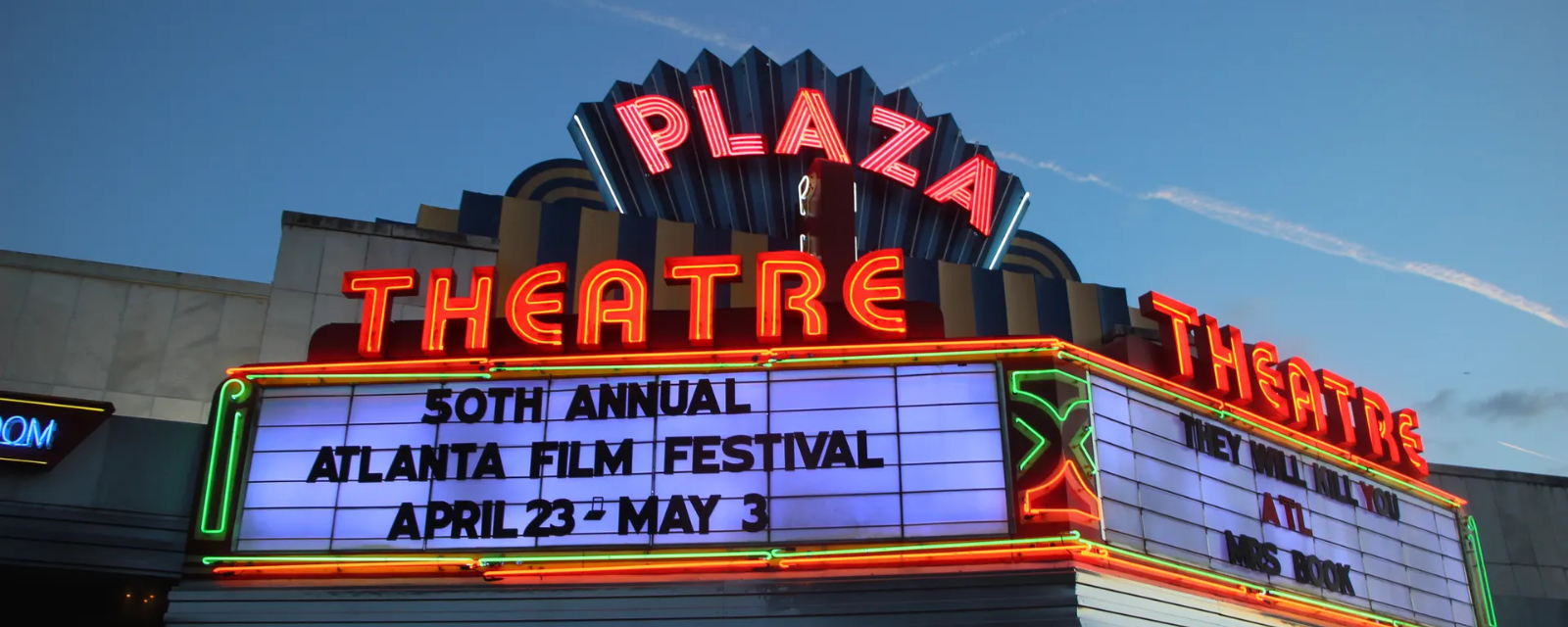
The Atlanta Film Festival is turning 50 this year, and if you've ever thought about Atlanta's relationship with storytelling, this is the moment that connects it all. From April 23 to May 3, the festival isn't just screening films — it's celebrating five decades of launching careers, championing independent voices, and proving that this city has always been more than a production backdrop.
What started in a Piedmont Park bathhouse with a dozen local cinephiles has become the ninth longest-running film festival in the country. And it's not just longevity for the sake of it — this is one of only two dozen Academy Award-qualifying festivals in the nation, meaning the shorts that premiere here can go straight to Oscar consideration. That's not regional pride talking. That's real industry weight.
Why This Festival Actually Matters
You might be wondering what makes this different from any other film event Atlanta hosts throughout the year. Fair question. The Atlanta Film Festival has been a legitimate springboard for filmmaking careers, not just a place to watch movies. According to festival organizers, this 11-day event has grown from grassroots screenings into a creative conference that connects emerging filmmakers with industry professionals, distributors, and actual decision-makers.
The festival runs both in-person and virtually, which means you don't have to fight for parking to catch a short film that could be nominated for an Oscar next year. The programming includes narrative features, documentaries, experimental work, and panels that actually give you insight into how films get made and distributed in 2026.
50 Years of Atlanta Storytelling
Here's what I keep thinking about: 50 years means this festival has been around longer than most of Atlanta's current film infrastructure. It predates the Georgia film tax credit that turned this state into a production hub. It was here before Marvel took over Pinewood, before "The Walking Dead" made Senoia a tourist destination, before every other show on TV seemed to be shot in Castleberry Hill.
The festival didn't ride Atlanta's film boom — it helped build the culture that made the boom possible. And now, as the city continues to cement itself as a major production center, the festival is celebrating by looking both backward at its history and forward at what's next for Atlanta filmmakers.
This year's programming hasn't been fully detailed yet, but past festivals have featured everything from major studio premieres to micro-budget shorts shot entirely in Atlanta neighborhoods. The event has consistently given space to voices that wouldn't get studio backing, which is exactly the kind of cultural infrastructure that makes a city's creative scene worth paying attention to.
What the 50th Anniversary Means for the City
We talk a lot about Atlanta as a production city, but less about Atlanta as a film culture city. The festival bridges that gap. It's not just about watching what Hollywood makes here — it's about supporting what Atlantans are making, period. The fact that this festival has Academy Award-qualifying status means local filmmakers don't have to leave the city to get their work seen by people who matter.
The 11-day festival also functions as a creative conference, which means it's not just screenings. There are panels, networking events, and opportunities for emerging filmmakers to connect with producers, distributors, and other creatives. If you're someone trying to break into film in Atlanta, this is one of the most important weeks of the year.
Fifty years is a long time to maintain cultural relevance, especially in a city that changes as fast as Atlanta does. The fact that this festival started in a bathhouse in Piedmont Park and is now an Oscar-qualifying event tells you something important about what's possible when a city actually supports its artists over time. Atlanta's film industry gets a lot of attention for the big-budget productions that shoot here, but the infrastructure that keeps creative people in the city — festivals like this one, affordable workspace, community support — that's what determines whether we're just a filming location or an actual filmmaking city. The Atlanta Film Festival has been doing that work for half a century, and the fact that it's still growing means there's an appetite for it. This isn't just nostalgia. This is a city that still believes in the stories its own people want to tell.
If you want to check out the full schedule and grab tickets before the good stuff sells out, head to atlvibesandviews.com where we'll be covering the festival throughout its run. This is your neighborhood, your news, and your chance to see what Atlanta filmmakers are creating right now.


