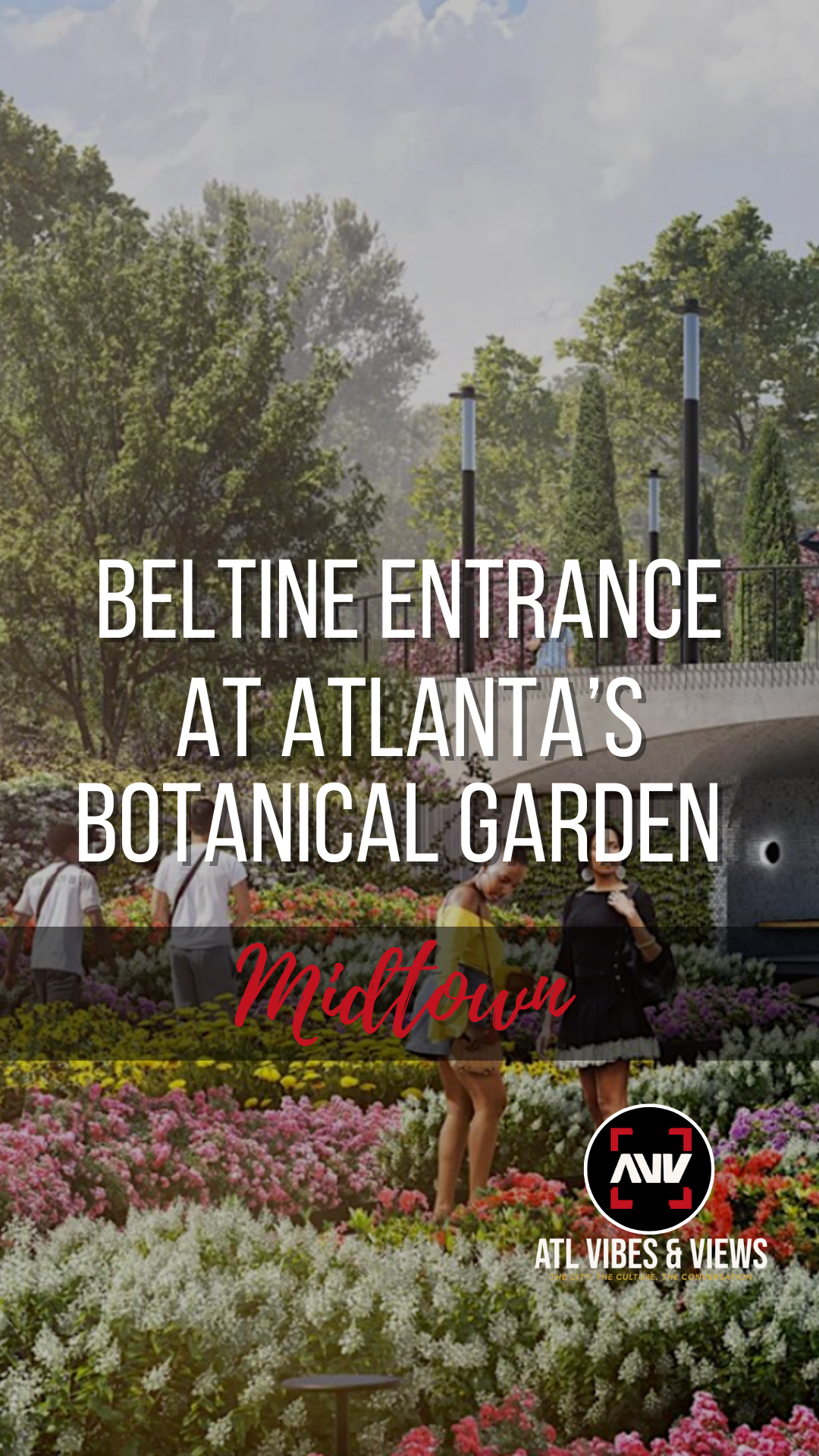
Demolition equipment is on site and heavy machinery is officially moving dirt at the Atlanta Botanical Garden in Midtown. After three and a half years of planning, delays, and community anticipation, the Garden’s long-awaited 25 percent expansion is finally underway, and it is about to completely change how Atlantans access one of the city’s most beloved green spaces.
This is not just another garden renovation. The expansion will add 8 acres to the Garden’s current 30-acre footprint, creating what will become Atlanta’s first major cultural institution with direct access from the Beltline. As someone who has personally been visiting the Botanical Gardens since I was nine years old, this is a big deal for a trail system. It's adding to the connective tissue of in town Atlanta.
What's Actually Getting Built
The expansion will create a brand new entrance directly on the Beltline’s Northeast Trail along Piedmont Avenue. Think of it as a second front door, one that does not require navigating Midtown traffic or competing for street parking. For the thousands of people who walk, run, or bike the Beltline weekly, the Garden will transform from a destination you pass by to one you can seamlessly step into.
And here is the detail that directly answers the question everyone is already asking about access: just outside the Garden gates, a free public Beltline Plaza will offer programming and community events open to everyone, no ticket required. The Garden’s own language calls it “a variety of free, mission-oriented programs and community engagement opportunities for people of all ages.” That is not nothing.
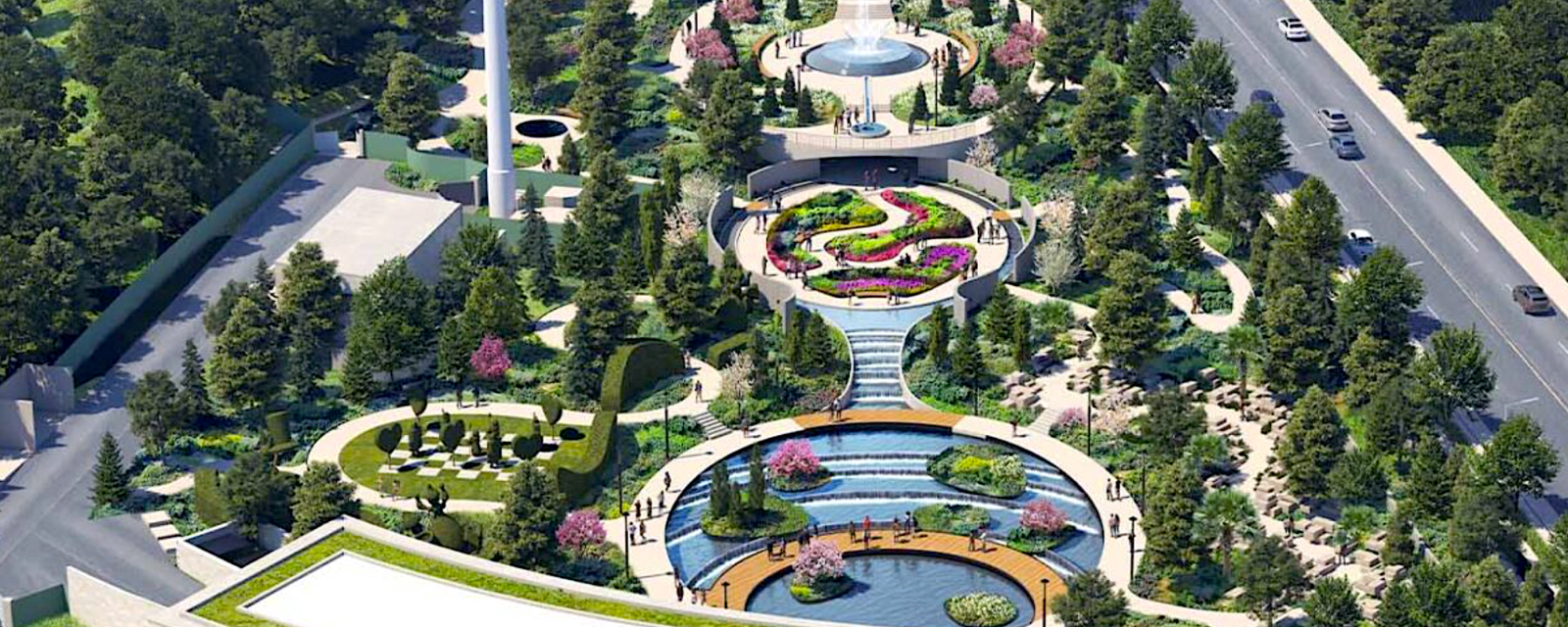
Inside the gates, the new acreage will feature water terraces, a walled garden, a Mediterranean-inspired Rockery, an Orangerie, and a new visitor center with a bike shop, indoor-outdoor cafe, and bicycle parking. The project carries a $160 million price tag and a late 2028 or early 2029 opening target. Demolition of existing buildings along Piedmont Avenue is underway now, with the official groundbreaking expected by late summer 2026.
Here is what makes this expansion different from typical institutional growth: it is designed around access and connectivity, not just square footage. Atlanta has spent years threading the Beltline through neighborhoods, past breweries, around parks. But aside from Ponce City Market, very few anchor institutions have built their front doors to open directly onto the trail. The Botanical Garden is flipping that script.
What This Means for Midtown and the BeltLine
Midtown is already one of Atlanta's densest and most walkable neighborhoods, but it's historically been designed around office towers, hotels, and cultural anchors that feel formal and gated. The Botanical Garden expansion continues a broader shift: making major Atlanta institutions feel less like destinations you drive to and more like places you flow through as part of your day.
The Beltline has proven it can drive foot traffic, retail activity, and residential development. What it hasn't done yet — at scale — is integrate legacy institutions that predate the trail itself. The Botanical Garden expansion changes that. It's a test case for whether a 50-year-old institution can adapt its physical infrastructure to meet people where they already are, rather than asking them to come to where it's always been.
Atlanta recently added green space with its 50-acre Tatum Lakes Nature Preserve on the southwest side, but that's raw conservation land. This is a curated, programmed cultural destination opening a direct artery to the most-used urban trail in the Southeast.
This expansion is exactly the kind of institutional thinking Atlanta needs more of. Too many of our cultural anchors still operate like it's 1995 — big parking lots, single access points, zero integration with how people actually move through the city now. The Botanical Garden could have just added more garden beds behind the same old Piedmont Avenue gate. Instead, they're building an entirely new relationship with the neighborhood around them. That takes vision, and it takes money, and they're doing both. By late 2028, thousands of Beltline users who've never set foot in the Garden will be walking past — and potentially into — one of Atlanta's most beautiful spaces. That's how you stay relevant for the next 50 years.