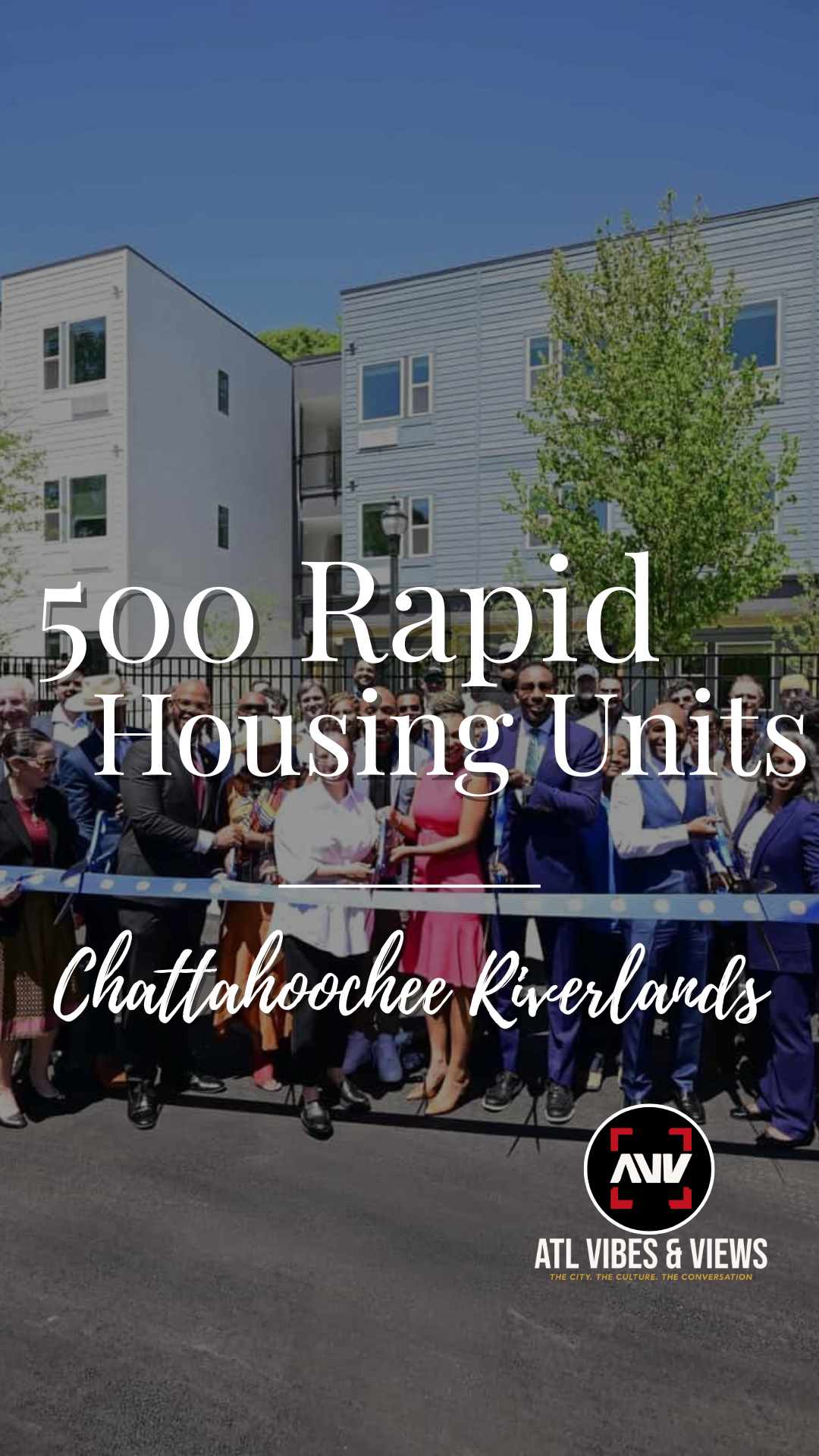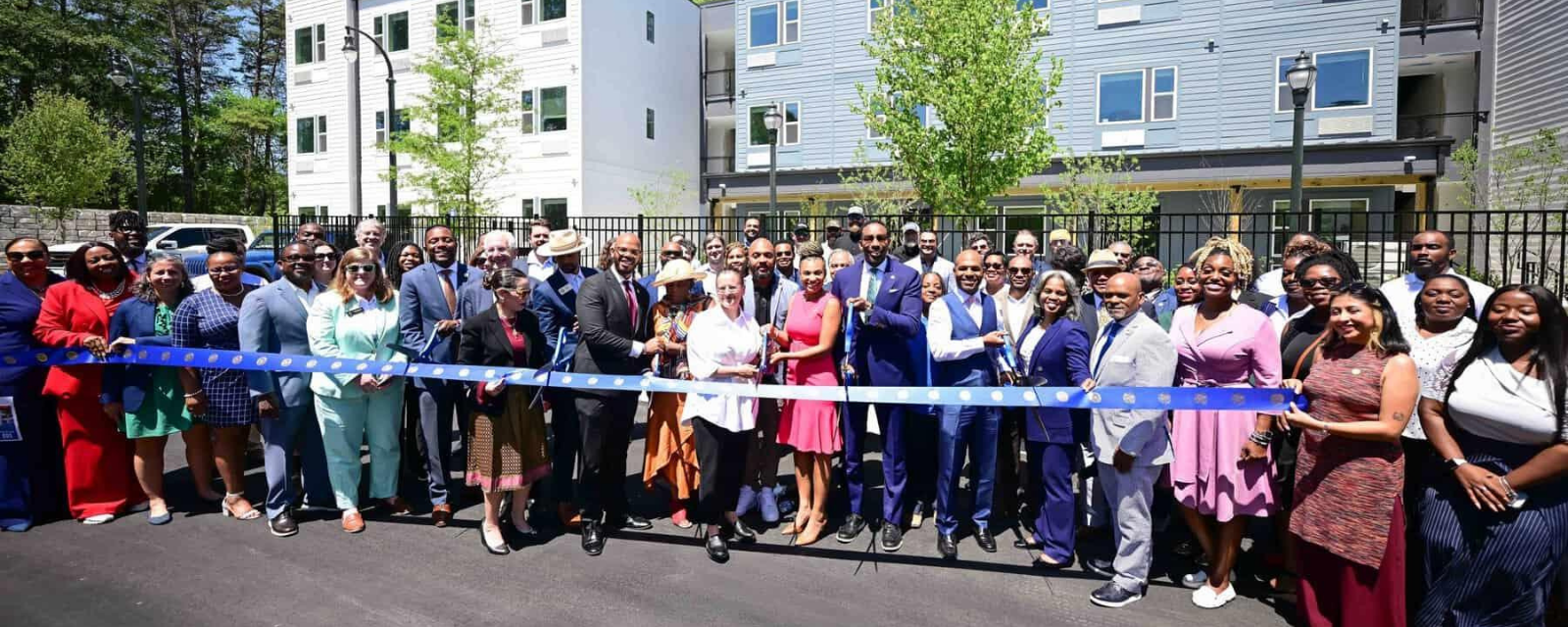
Mechanicsville just hit a milestone worth paying attention to. Mayor Andre Dickens and city officials cut the ribbon on The Beacon on Cooper Street, a 100-unit apartment building that marks Atlanta's 500th rapid-housing unit delivered since the city launched its Rapid Housing Initiative. That's not a symbolic number. It's the goal the mayor set out to reach, and the city just delivered on it.
This isn't your typical affordable housing story dragging on for years. The Beacon used modular construction, built off-site in sections, then assembled on Cooper Street. This means the city got people housed faster than traditional construction would allow. The project follows the same playbook as The Melody downtown and Waterworks Village in Berkeley Park, two other rapid-housing developments that used the same approach to move quickly.
What Rapid Housing Actually Means
The term "rapid housing" gets thrown around, but here's what it actually delivers: permanent studio apartments with short-to-medium-term rental assistance and wraparound services for people experiencing homelessness. It's not emergency shelter. It's not temporary. These are real apartments designed to get people off the streets and into stable housing while they rebuild.
The 500-unit push came with over $60 million in funding. That's the largest single investment Atlanta has ever made to address homelessness, and Thursday's ribbon-cutting in Mechanicsville proves the city followed through. This milestone represents the city actually delivering on Mayor Dickens' specific promise to get people housed quickly using rapid construction methods.
Why Modular Construction Changes the Timeline
Speed matters when you're addressing homelessness at this scale. Traditional construction in Atlanta can drag for years between permitting, site prep, and weather delays. Modular construction flips that script. Units are built in a controlled factory environment while site work happens simultaneously, then trucked in and stacked like LEGO blocks. The Beacon's 100 apartments went up in a fraction of the time a traditional build would take.
That approach works particularly well for rapid housing because the floor plans are simple: studios designed for efficiency and function. The city isn't trying to win architecture awards here. It's trying to get people inside before winter, before another heat wave, before another night on the street.
What Happens After Move-In
The apartments are only half the story. Rapid housing includes case management, mental health services, job placement support, and financial counseling. The goal isn't just to hand someone keys. It's to make sure they can keep those keys six months from now, a year from now, five years from now.
Critics of rapid housing programs often ask: what about the services? What about long-term stability? Fair question. The city partnered with nonprofit providers to embed those services directly into each building, so residents aren't bouncing between apartments and social service offices across town. Everything's in one place, which matters when you're trying to rebuild a life that fell apart on the streets.
Credit where it's due: Mayor Dickens made a promise to deliver 500 rapid housing units, and he followed through. Five hundred units is a real number, not a press release promise that fades after the cameras leave. The Beacon proves Atlanta can move fast when it decides to, and modular construction is the tool that made it possible. What excites me is the potential for this momentum to continue long after the spotlight moves on. We've shown we can do this work effectively and efficiently. Now we have a proven model that works, a construction method that delivers results quickly, and the political will to make it happen. Mechanicsville is getting this investment, and I'm hopeful we'll see this approach expand to other neighborhoods that need it. The Beacon isn't just a solution for this community, it's proof that Atlanta is ready to tackle this challenge with the urgency and resources it deserves.